
Navigating the complex world of genetics can feel like peering into a secret language, but what if we had the tools to not only read it, but to rewrite it? This isn't science fiction; it's the reality of CRISPR gene editing. Once a simple bacterial defense mechanism, CRISPR-Cas9 has been repurposed by scientists into a powerful and precise tool for manipulating DNA. From correcting inherited diseases to engineering crops that can withstand climate change, this technology holds the potential to reshape our world. But with this immense power comes a series of profound ethical questions that force us to consider how we will use this tool responsibly. In this blog post, we'll break down the inner workings of CRISPR, explore its incredible real-world applications, and delve into the critical ethical debates shaping its future.
The Power Of CRISPR Gene Editing
Introduction
How CRISPR Works
The CRISPR-Cas9 system is a powerful gene-editing tool that acts like molecular scissors to precisely modify DNA. It consists of two main components:
Cas9 Protein: This is the enzyme that acts as the "scissors" to cut DNA at a specific location.
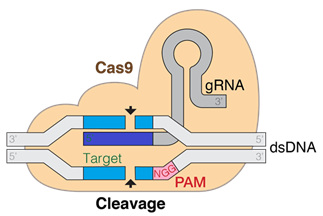
Guide RNA (gRNA): This is a small RNA molecule that acts as the "GPS" to guide the Cas9 protein to the correct DNA sequence. The gRNA is engineered to be complementary to the target gene you want to edit.
When these two components are introduced into a cell, the guide RNA leads the Cas9 protein to the target DNA sequence. Once it arrives, the Cas9 protein makes a precise double-stranded cut in the DNA. The cell then tries to repair this cut, which scientists can exploit to either disable the gene or insert a new, desired DNA sequence.
Applications of CRISPR
CRISPR's precision and efficiency have led to a wide range of applications, including:
Treating Genetic Diseases: CRISPR's biggest promise is its ability to fix the root cause of many inherited illnesses. For genetic diseases, the problem is often a single, faulty gene. CRISPR allows scientists to precisely locate that gene and correct the mutation. This is a game-changer because instead of simply treating the symptoms (like with traditional medicine), CRISPR has the potential to provide a permanent, one-time cure.
Sickle Cell Anemia: This disease is caused by a single mutation in a gene that produces hemoglobin. CRISPR can be used to edit the stem cells that produce blood, correcting the faulty gene and allowing the patient to produce healthy red blood cells. Clinical trials are already showing promising results for this approach.
Cystic Fibrosis: This condition is caused by a defective gene that affects mucus and sweat glands. Researchers are using CRISPR to try and repair the gene in the affected cells, which could potentially restore normal function to the lungs and digestive system.
Developing New Therapies and Diagnostics: CRISPR isn't just for fixing genes; it can also be used to create entirely new medical tools. Its ability to find and modify specific DNA sequences makes it perfect for diagnostic and therapeutic purposes.
Rapid Diagnostics: The Cas protein, which is part of the CRISPR system, can be programmed to recognize the genetic material of a virus (like COVID-19) or bacteria. When it finds the target, it produces a signal, allowing for a quick and accurate detection. This technology forms the basis of some rapid diagnostic tests that can be used outside of a lab.
Cancer Immunotherapy: Scientists are using CRISPR to modify a patient's own immune cells (T-cells). They can use CRISPR to make these T-cells more effective at recognizing and attacking cancer cells, creating a personalized and powerful cancer treatment.
Agriculture and Food Production: The precision of CRISPR is revolutionizing how we grow our food. It's a faster, more efficient, and more precise way to improve crops than traditional breeding methods.
Drought and Pest Resistance: CRISPR can be used to edit genes in crops to help them better withstand harsh environmental conditions. For example, by targeting genes that control water retention, scientists can create plants that require less water. Similarly, they can introduce or activate genes that make a plant naturally resistant to certain insects or fungal diseases.
Nutritional Enhancement: Researchers are using CRISPR to increase the nutrient content of crops. For example, it can be used to boost a crop's vitamin or protein levels. The non-browning mushroom you mentioned is a great example of this; it's an edit that prevents the mushroom from turning brown, reducing food waste.
Creating Disease-Resistant Animals: CRISPR is also being applied in livestock to improve animal welfare and food safety. By targeting specific genes, researchers can make animals immune to certain diseases, which can reduce the need for antibiotics and other treatments.
Swine Flu Resistance: Scientists have used CRISPR to create pigs that are genetically resistant to certain swine flu viruses, which are a major problem in the livestock industry.
Bovine Tuberculosis: In some research, CRISPR is being used to modify the genes of cattle to make them resistant to bovine tuberculosis, a common disease that can affect both animal health and milk production.
Ethical Considerations
While CRISPR holds immense promise, its use, particularly in humans, raises significant ethical questions. The main concerns include:
Germline Editing: This involves editing genes in human embryos or reproductive cells, which would be passed down to future generations. This is highly controversial because the long-term effects are unknown and could lead to unforeseen consequences.
Unintended Consequences: Despite its precision, CRISPR can sometimes cause "off-target" effects, where it cuts DNA at unintended locations. This could lead to new mutations or health problems.
Accessibility and Equity: There are concerns that advanced gene-editing technologies may only be available to the wealthy, creating a new form of social inequality in health and genetic advantages.
Conclusion
CRISPR-Cas9 stands as a monumental leap forward in our ability to control and shape the living world. It is a tool of immense power, offering revolutionary solutions for treating genetic diseases, enhancing our food supply, and developing novel therapies. As we continue to unlock the full potential of this technology, it is crucial that we also navigate the complex ethical landscape it presents. The future of gene editing is a balance between scientific innovation and a deep sense of responsibility, ensuring that CRISPR's incredible promise benefits all of humanity.