
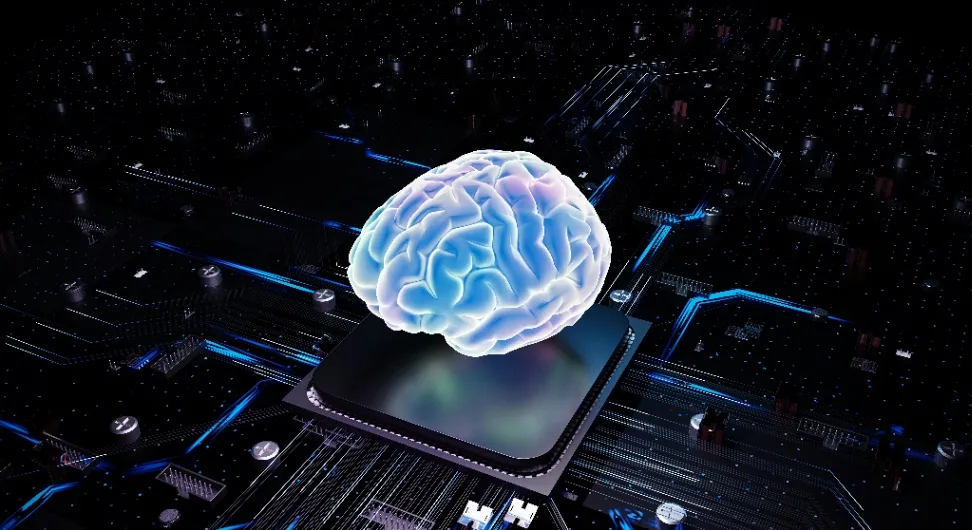
A brain-computer interface (BCI) is a direct communication pathway between the brain and an external device. Unlike traditional input methods such as keyboards or touchscreens, BCIs bypass the body’s natural neuromuscular system, translating electrical signals from the brain into digital commands.
The concept first emerged in the 1970s, when scientists discovered that electroencephalography (EEG) signals could be used to control external devices. Early systems were bulky and slow, but advances in neuroscience and machine learning have accelerated the field, making real-time decoding of brain activity increasingly feasible.