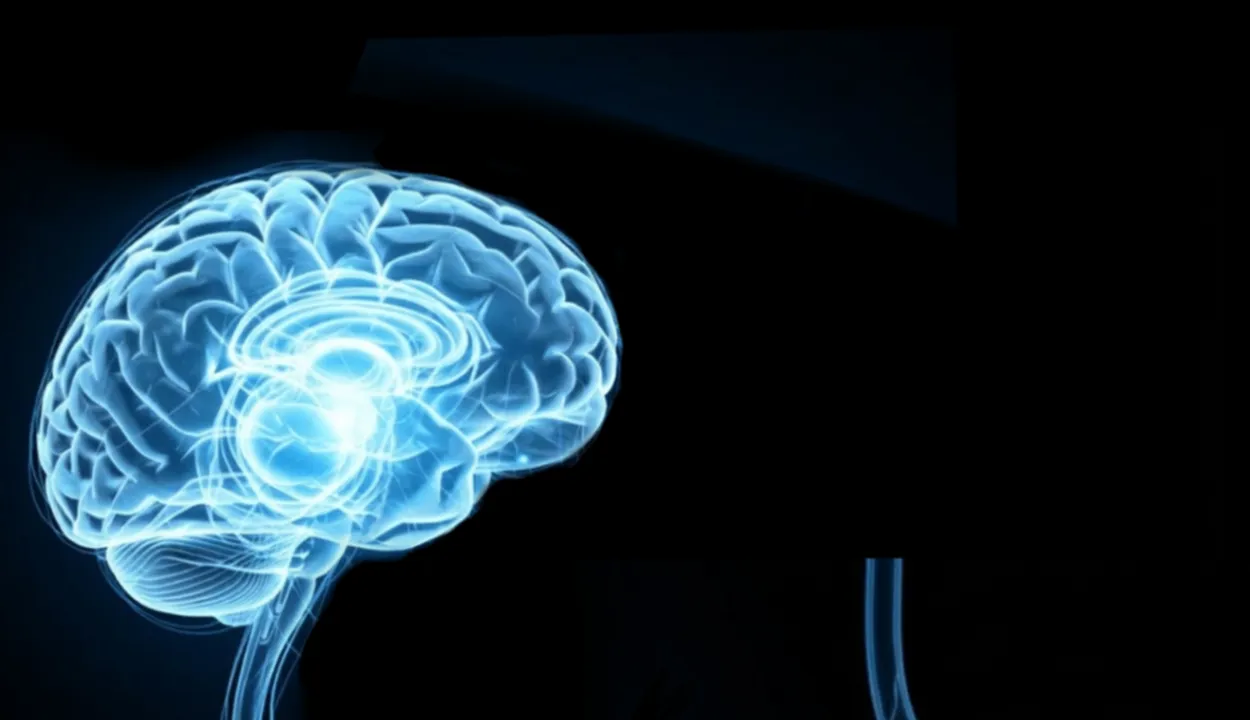
Microbiome Gut Brain Axis : Our Second Brain

Microbiome Gut Brain Axis : Our Second Brain

By Thanush Karthik | | Updated
Microbiome gut brain axisgut healthsecond brain
Discover how your gut microbiome acts as a second brain through the gut-brain axis, influencing your mood, mental health, and daily wellness.

Introduction

Have you ever felt "butterflies" in your stomach before a big presentation, or lost your appetite when you were stressed? These are not just some coincidence,it is the gut-brain axis' influence on your life, a high-speed communication highway that connects your digestive tract directly to your mind.

Inside your intestines lives a lot of , microscopic metropolis known as the gut microbiome. Your gut is home to Trillions of bacteria, fungi, and viruses. Far from being mere freeloaders, these microscopic residents act like an undiscovered organ, playing a huge role in regulating your mood, energy levels, immune system, and even how your brain ages..
Local Control Center

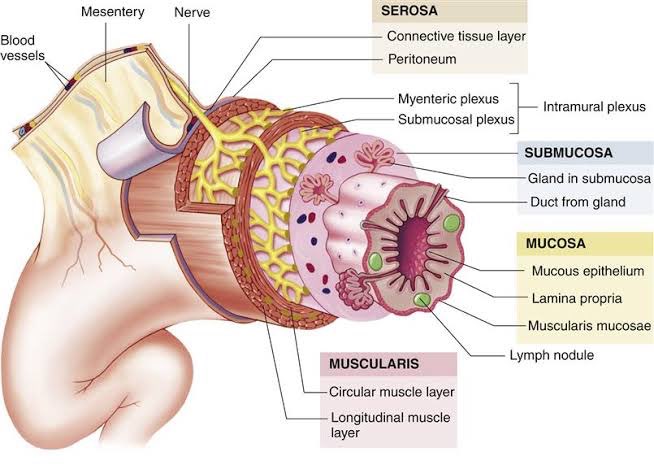
I was genuinely fascinated when I read about our digestive system in our first Year MBBS Physiology, the sheer independence of the digestive tract. Your gut is so complex that it actually features its own dedicated nervous system: the Enteric Nervous System (ENS), often nicknamed the "second brain."

To understand how your gut manages its daily tasks without constantly bothering your head, let me break down the process into a few foundational concepts:

  • The Cephalic Phase: This is the "brain-to-gut" preparation stage. Simply smelling freshly baked bread or thinking about a juicy lemon triggers your brain to signal your salivary glands and stomach to start producing digestive juices before food even touches your lips.Feeling Hungry after crossing a restaurant is not a coincidence anymore!

  • The Myenteric Plexus: Tightly woven between the muscle layers of your digestive tract, this network of nerves coordinates the functions without influence of brain. It controls the movement of intestines called peristalsis ( the wave-like muscle contractions that push food smoothly through your system).

  • The Local Nervous System: Your gut can control digestion entirely on its own. If a piece of food stretches the intestinal wall, local receptors trigger the local nervous system to release fluids and move the food along, completely autonomously .

  • Salivation and Gastric Secretion: Driven by local neural reflexes and chemical molecules, your mouth and stomach release the needed amounts of enzymes and acids specific to whatever we eat.

When your gut microbiome is balanced, it supports this local nervous system smoothly. When it is distrupted, it can send distress signals upward, disrupting this delicate local harmony.

Chemical Messengers

Your gut microbes do not speak English or use Wi-Fi !. Instead, they communicate using biomolecules. By breaking down the food we eat (especially dietary fiber) ,they manufacture powerful chemical messengers that gets into your bloodstream and influence your brain.

Short-Chain Fatty Acids (SCFAs)

When your gut bacteria ferment the fiber from beans, oats, and vegetables, they produce SCFAs like acetate, propionate, and butyrate. These molecules are keyplayers, they nourish the cells lining our gut, keep our intestinal barrier strong, and travel to the brain where they reduce inflammation and support cognitive health.

Tryptophan Derivatives and Neurotransmitters

You have likely heard of serotonin, the same chemical that controls our mood and happiness. Did you know that about 90 to 95% of your body's serotonin is produced in our gut, heavily influenced by our microbiome? Gut microbes also help manage tryptophan (an amino acid found in turkey and chicken) and synthesize GABA, a neurotransmitter that calms the nervous system and helps clear anxiety.

Vagus Nerve and Inflammation

How do these microscopic messages actually reach your brain? There are two primary routes:

The Vagus Nerve: The Direct Wirings

The vagus nerve is a thick cable of nerve fibers running from your brainstem down through your neck and chest, wrapping around your stomach and intestines. Imagine it to be a fiber optic cable. Signals generated by our gut bacteria can directly stimulate the vagus nerve, instantly altering our brain activity, mood, and stress response.

Systemic Inflammation and Neurodegeneration

When your gut barrier becomes damaged (often called "leaky gut" due to poor diet, stress, or medications), harmful bacteria and toxins can slip into your bloodstream, causing immune response leading to a systemic low-grade inflammation.

Over time, this chronic inflammation can cross the blood-brain barrier. Researchers increasingly connect this inflammatory cascade to neurodegenerative disorders like Alzheimer's and Parkinson's disease, noting that brain inflammation often starts with chronic gut irritation years earlier..

FMT and Psychobiotics

Because we now understand how deeply the microbiome influences health, medical science is shifting away from just treating symptoms and toward healing the ecosystem of the gut.

  • Fecal Microbiota Transplantation (FMT): This sounds gross, but it is a powerful therapy. Doctors take stool samples containing healthy, diverse microbial communities from a screened donor and safely transfer them into a patient's gut. It has proven remarkably effective for severe, drug-resistant infections like C. difficile(a bacteria that infects the large intestines, generally overgrows when a patients takes antibiotics distrupting the good gut bacteria which maintained its level), C.difficile is currently being studied for inflammatory bowel disease and neurological conditions.

  • Psychobiotics: These are specific probiotic and prebiotic strains clinically shown to produce mental health benefits. Instead of taking a pill to artificially force our brain to produce serotonin, psychobiotics feed the right bacteria so they can encourage healthy brain chemistry naturally.

Personalized Medicine and Our Plates

We are stepping into an era where generic health advice ("eat a balanced diet") is retiring , giving way to precision medicine. In the near future, we will not have to guess what to eat. Through advanced microbiome sequencing, doctors will map out the exact species of bacteria living in our digestive tract.

Armed with that data, we will be able to receive a hyper-personalized nutrition and supplement plan designed specifically to boost our unique microbial ecosystem, keeping both our digestion and our mood controlled.

Practical Ways to Improve Your Gut Health Today

You do not need a laboratory test to start taking care of your second brain right now. Simple everyday habits can nurture a thriving microbiome:

  1. Increase Plant Diversity: Try to eat 30 different types of plants (fruits, vegetables, nuts, seeds, grains, and legumes) every week. Variety feeds different bacterial species.

  2. Load Up on Fiber: Feed your good bacteria with prebiotic fibers found in garlic, onions, leeks, oats, and bananas.

  3. Embrace Fermented Foods: Add yogurt,curd , Food made from fermented batters like idli , dosa , dokhla  to your diet to introduce live, beneficial microbes.

  4. Manage Stress: Because of the gut-brain loop, high stress starves your good gut bacteria. Practices like deep breathing, meditation, and regular exercise directly benefit your digestion.

By caring for your gut, you are doing more than just improving your digestion.You are investing in your mental clarity, emotional balance, and long-term neurological health.

00
Engage with this post
Like, star, and comment to support the author and help others discover great content.
Loading...

More from this author

Two students. Same medical college. Completely different experiences.
We walked into medical college thinking we knew what we were signing up for. Spoiler: we absolutely did not. Two students, two perspectives, and several questionable decisions later, here we are.
Microplastics:Our Arterial Threat
Microplastics cause heart harm. They trigger atherosclerosis, a buildup of arterial fats that impacts men and women differently. Recent genetic modeling confirms these tiny fragments move through our …
Spinal Injury: The Organoid Fix
Spinal Cord Injury (SCI) causes permanent paralysis because the body cannot naturally regrow severed nerve fibers (axons) across the lesion site. With 302,000 Americans affected, fully restorative tre…
GCF Backend for Zoho Campaigns
Integrating third-party services like Zoho Campaigns into a serverless backend is powerful, but it comes with unique challenges, especially around OAuth token management and specific API interaction q…
Brain-Computer Interfaces: The Mind’s New Frontier
The boundary between human thought and machine intelligence is dissolving. Brain-computer interfaces (BCIs)—once the stuff of science fiction—are now a rapidly developing technology with potential to …